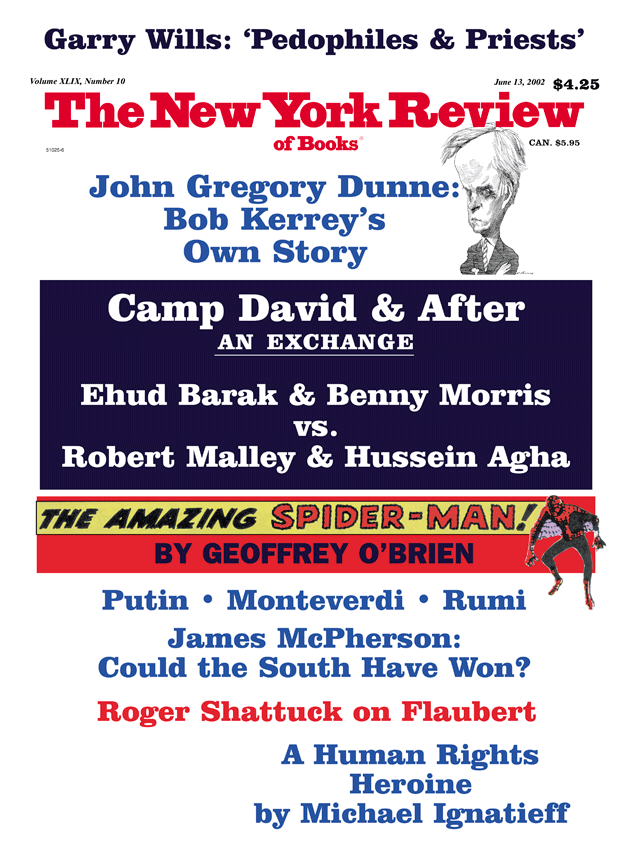
Intimate Enemies: Moral Panics in Contemporary Great Britain
by Philip Jenkins
Beyond Tolerance: Child Pornography on the Internet
by Philip Jenkins
Pedophiles and Priests: Anatomy of a Contemporary Crisis
by Philip Jenkins
Harmful to Minors: The Perils of Protecting Children from Sex
by Judith Levine, with a foreword by Dr. Joycelyn M. Elders
Goodbye, Good Men: How Liberals Brought Corruption into the Catholic Church
by Michael S. Rose
The Oligarchs: Wealth and Power in the New Russia
by David E. Hoffman
Armageddon Averted: The Soviet Collapse, 1970–2000
by Stephen Kotkin
The Courage of Strangers: Coming of Age with the Human Rights Movement
by Jeri Laber, with a preface by Václav Havel
Human Rights and the End of Empire: Britain and the Genesis of the European Convention
by A.W. Brian Simpson
In Our Own Best Interest: How Defending Human Rights Benefits Us All
by William F. Schulz, with a foreword by Mary Robinson
Bad Blood
by Lorna Sage
Moments of Truth: Twelve Twentieth-Century Women Writers
by Lorna Sage
Look Away! A History of the Confederate States of America
by William C. Davis
The South vs. the South: How Anti-Confederate Southerners Shaped the Course of the Civil War
by William W. Freehling
Lee and His Army in Confederate History
by Gary W. Gallagher
The War Hits Home: The Civil War in Southeastern Virginia
by Brian Steel Wills
Art on the Line: The Royal Academy Exhibitions at Somerset House, 1780–1836
edited by David H. Solkin
L'incoronazione di Poppea
conducted by Christophe Rousset, directed by Pierre Audi
Il ritorno d'Ulisse in patria
conducted by William Christie, directed by Adrian Noble
Orfeo
conducted by Jane Glover, directed by Diane Paulus
Subscribe and save 50%!
Read the latest issue as soon as it’s available, and browse our rich archives. You'll have immediate subscriber-only access to over 1,200 issues and 25,000 articles published since 1963.
Subscribe now
Subscribe and save 50%!
Get immediate access to the current issue and over 25,000 articles from the archives, plus the NYR App.
Already a subscriber? Sign in